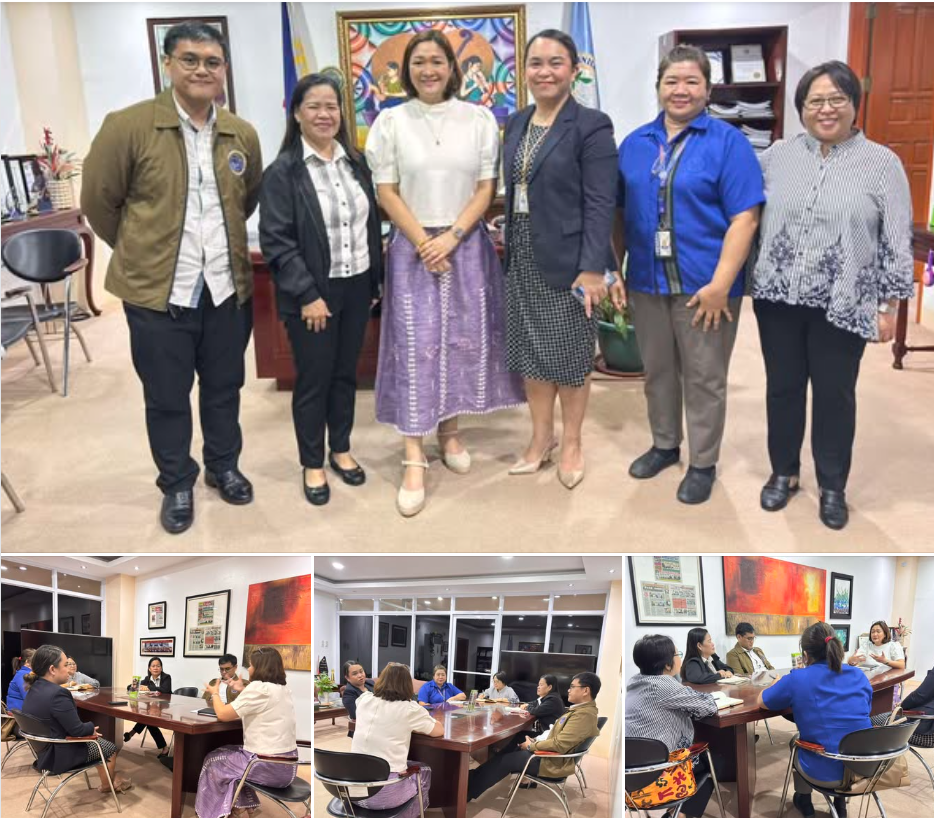
Universidad de Manila and TESDA Manila explore expanded collaboration in skills training, competency assessment, certification, and lifelong learning.
MANILA, Philippines — Building a future-ready workforce requires more than academic knowledge. It demands strong institutional partnerships that connect education with practical skills, professional competencies, and meaningful employment opportunities.
Advancing this vision, the Universidad de Manila (UDM) welcomed officials from the Technical Education and Skills Development Authority (TESDA) Manila District Office on October 29, 2025, for a meeting focused on strengthening institutional cooperation and exploring future collaborative initiatives in technical-vocational education and training.
The engagement highlighted both institutions’ shared commitment to expanding access to quality skills development, enhancing employability, and promoting lifelong learning opportunities for the people of Manila.
Strengthening Institutional Collaboration for Skills Development
The TESDA delegation, led by Director Lorrienne Judith Marie G. Juanani, met with UDM President Dr. Ma. Felma Carlos-Tria, Dr. Virginia I. Berganio, Assistant Director of the Center for Micro-Credentials and Industry Training (CMIT), and other university officials.
The meeting provided an opportunity to explore areas of cooperation that could strengthen the delivery of competency-based education and skills development initiatives.
Among the key areas discussed were skills training, competency assessment, certification, and institutional capacity building.
These areas reflect the growing importance of aligning educational opportunities with the practical competencies required in an increasingly dynamic labor market.
Through potential collaborative initiatives, UDM and TESDA aim to create pathways that connect formal education with technical and vocational competencies, supporting individuals in developing skills relevant to employment and professional advancement.
Connecting Education with Employment Opportunities
One of the central priorities of the engagement was the importance of improving employability through accessible and industry-responsive training.
As workforce requirements continue to evolve, educational institutions play an increasingly important role in helping learners acquire competencies that respond to changing professional demands.
Collaboration with TESDA offers opportunities to explore training and certification initiatives that may complement UDM’s academic programs and strengthen the professional readiness of students and other prospective learners.
Such initiatives could also support individuals seeking to upgrade their competencies, pursue additional qualifications, or acquire new skills for career development.
By exploring stronger connections between higher education and technical-vocational training, UDM reinforces its commitment to developing learning opportunities that are relevant, practical, and responsive to the needs of society.
Advancing Lifelong Learning and Inclusive Education
The meeting also emphasized the value of lifelong learning as an essential component of sustainable workforce development.
Education does not end with the completion of a degree. Continuous learning, professional development, and skills enhancement are increasingly important in helping individuals adapt to technological changes and evolving employment requirements.
Through its Center for Micro-Credentials and Industry Training, UDM recognizes the potential of flexible and competency-based learning opportunities in supporting professional growth.
The proposed areas of cooperation with TESDA provide a foundation for exploring initiatives that may expand access to training, assessment, and certification.
These efforts reflect the university’s broader commitment to inclusive education and the development of pathways that support learners at different stages of their academic and professional journeys.
Supporting Sustainable Development Through Partnerships
The engagement contributes to the objectives of the United Nations Sustainable Development Goals, particularly SDG 4 (Quality Education), SDG 8 (Decent Work and Economic Growth), and SDG 17 (Partnerships for the Goals).
By exploring collaboration in skills training and workforce development, UDM and TESDA demonstrate the importance of partnerships in expanding educational opportunities and supporting inclusive economic participation.
The meeting also reinforces the role of higher education institutions in connecting academic learning with professional competencies and community development.
As both institutions explore future collaborative initiatives, the engagement represents a promising step toward strengthening technical-vocational education, professional certification, and lifelong learning opportunities in Manila.
At Universidad de Manila, education creates possibilities, skills open opportunities, and meaningful partnerships build pathways toward a more competent, empowered, and future-ready workforce.