Message from the Dean
It is with great pride and joy that I welcome you to the College of Health Sciences-Department of Nursing and Physical Therapy, a home of compassion, excellence, and service. Whether you are beginning your journey or continuing your studies in Nursing or Physical Therapy, you are now part of a CHS community dedicated to advancing health and improving lives. As future health professionals, you carry the noble mission of caring for others—of being instruments of healing, hope, and humanity. The coming years will challenge your intellect, test your perseverance, and strengthen your character. Embrace every learning opportunity, value teamwork, and uphold the highest standards of ethics and professionalism.
Our CHS Faculty and Staff are committed to guiding you in achieving academic excellence and holistic growth. We will support you in developing the knowledge, skills, and values essential for your professional practice—whether at the bedside, in the community, or in rehabilitation centers.
May your time with us inspire you to serve with empathy, lead with integrity, and make a meaningful difference in the lives you will touch.
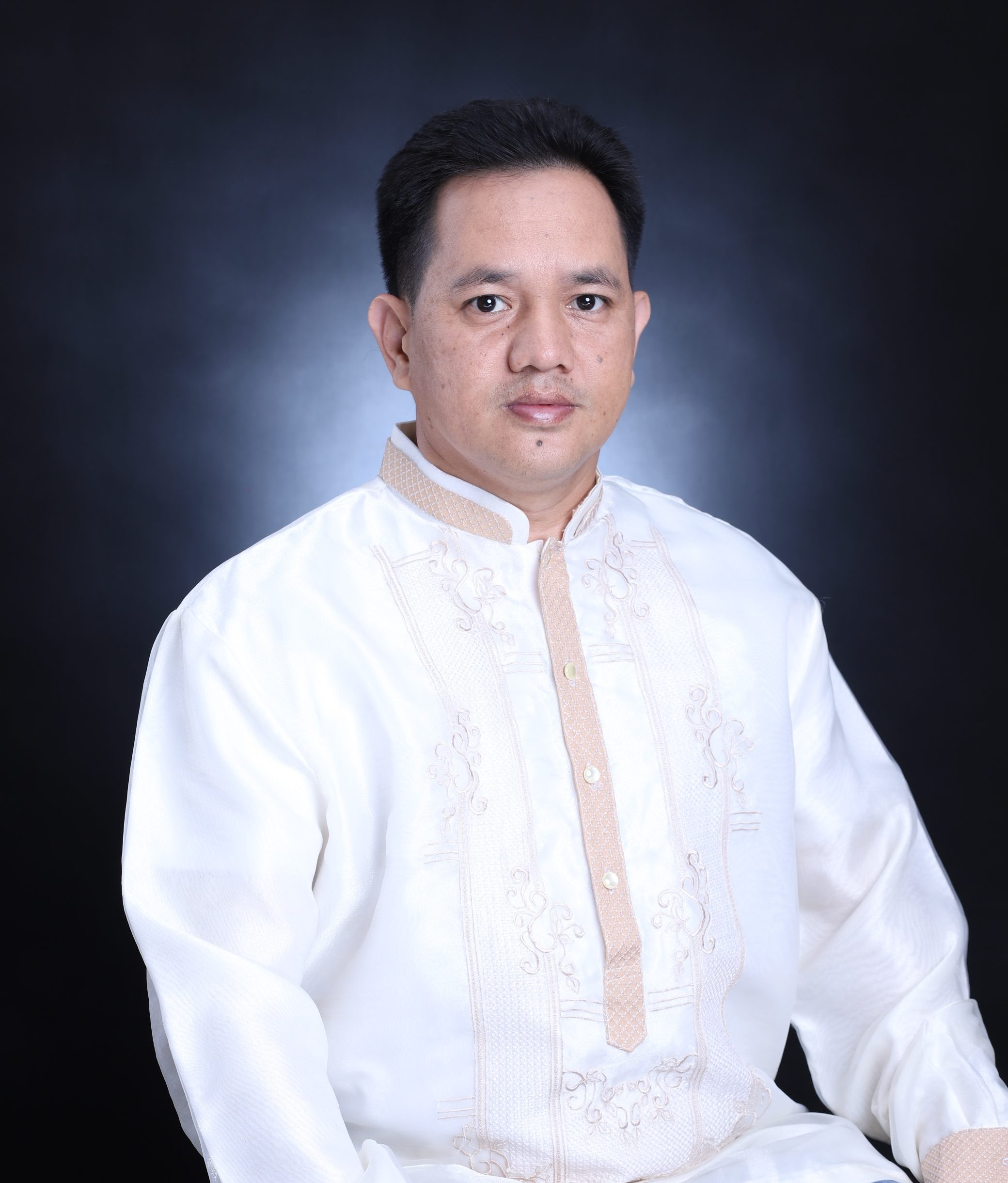
Enriquito E. Mahinay Jr.
Dean, College of Health Sciences
CHS History
The Bachelor of Science in Nursing and the Bachelor of Science in Physical Therapy are one of the pioneering programs in 1995. In the year 2014,these programs were amalgamated and placed under the College of Health Sciences. These two programs produced thousands of graduates with exemplary performance in the licensure examinations.
CHS Vision
The UDM-CHS envisions itself to be a center of excellence in health science courses and a global leader in producing competent and compassionate health care professionals
adaptive to the changing demands of the global healthcare landscape.
CHS Mission
The UDM-CHS is committed to produce competent, compassionate, morally upright and socially responsible health care professionals, qualified and trained to provide basic and advanced quality health care services to the diverse individual needs of both local and global populace.
Core Values
M – Mastery of Skills
E – Global Excellence
D – Commitment to Duty
I – Innovative Service
K – Lifelong Pursuit of Knowledge
E – Earnestness
E – Encouragement
P – Patriotism

CHS Logo
The College of Health Sciences logo symbolizes the unity of diverse health disciplines committed to the holistic care of individuals, families, and communities. The four central representations embody the College’s various health professions and their shared commitment to health promotion, disease prevention, treatment, rehabilitation, and compassionate service. The human figures represent the dignity and uniqueness of every person, while the medical symbols signify the integration of science, knowledge, and professional competence in health care. The golden lions embody courage, strength, leadership, and service; the green laurel branches signify growth, achievement, and excellence; and the central emblem represents knowledge, guidance, and professional formation. Encompassing all these elements is the identity of Universidad de Manila, signifying the College’s commitment to producing competent, compassionate, and service-oriented health professionals who respond to the needs of the community. The College of Health Sciences therefore becomes more than a collection of individual programs—it is a unified community of health professionals working toward a common purpose: improving health and quality of life.
The College of Health Sciences logo presents a meaningful representation of the College’s commitment to developing health professionals who are competent, compassionate, service-oriented, and responsive to the health needs of the community.
- The University Identity – The words “Universidad de Manila” prominently encircle the upper portion of the seal, establishing the College as an integral part of the University. The logo reflects the University’s commitment to accessible, relevant, and quality higher education for the people of Manila.
- The Four Central Symbols – The central portion of the logo is divided into four colored panels, each representing a major discipline within the College of Health Sciences:
- Green – Nursing: The lamp represents knowledge, enlightenment, guidance, and the transmission of learning, and is strongly associated with Florence Nightingale, whose use of the lamp while making nighttime rounds among wounded soldiers contributed to its enduring association with nursing.
- Blue – Physical Therapy: The figure in a rehabilitation-related posture represents Physical Therapy, symbolizing movement, rehabilitation, recovery, functional independence, and restoration of quality of life.
- Pink – Maternal and Child Health: The mother-and-child symbol represents the care of women, mothers, infants, and children, highlighting nurturing, protection, family-centered care, and the promotion of healthy beginnings.
- Red – Community/Health Service: The figures representing people and collective action signify the College’s commitment to community health, collaboration, public service, and improving the well-being of individuals and communities.
Taken together, the four panels emphasize that health care is not limited to treating illness. It encompasses prevention, promotion, rehabilitation, protection, and holistic care across the lifespan.
- The Caduceus Symbol – The caduceus represents integration of scientific knowledge, professional competence, and compassionate service in the pursuit of health and healing.
- The MerLions – The two golden lions positioned on either side of the logo convey strength, courage, leadership, dignity, and protection.
- The Laurel Branches – The green leaves surrounding the central seal represent growth, achievement, excellence, and continuous development.
- The Overall Shape of the Seal – The circular composition represents unity, continuity, and wholeness. The two health disciplines are brought together within one emblem, emphasizing interdisciplinary collaboration.
College Color
Red
RED symbolizes LIFE, COMPASSION, COURAGE, and SERVICE—the essential values that define the health professions. It represents the life-giving role of health professionals, the compassion with which they care for people, the courage required to respond to health challenges, and the commitment to serve individuals, families, and communities. As the official color of the College of Health Sciences, red unifies the diverse health disciplines under one shared purpose: to protect life, promote health, restore function, and improve the quality of life of the people they serve.
Competitive Advantage
Genuine desire to mold health care professionals that are honest, compassionate, and competent.
Highly qualified and competent academicians with on board practice.
Produce Nurses and physical therapists that are locally and globally competitive.
High board exams passing rate.
The College of Health Sciences is continuous improving in providing quality education that does not only base on theories, but also experience with the use of our skills laboratory and with the help of our partnered hospitals around Metro Manila.
Academic Program
Bachelor of Science in Nursing
The Bachelor of Science in Nursing (BSN) is a four-year undergraduate professional degree program that prepares students for the practice of safe, competent, compassionate, and evidence-based nursing care across diverse healthcare settings. The program integrates theoretical knowledge, laboratory-based skills training, simulation, clinical practice, community engagement, research, and professional values to develop graduates who are capable of responding to the changing health needs of individuals, families, groups, and communities.
Career Competencies
BSN graduates are expected to demonstrate competence in clinical nursing practice, clinical judgment and decision-making, patient safety and quality improvement, therapeutic communication, health education, leadership and management, interprofessional collaboration, community and population health, evidence-based practice and research, nursing informatics, emergency and disaster response, ethical and legal practice, cultural competence, and compassionate, person-centered care. These competencies prepare graduates for professional nursing practice and diverse career opportunities across hospital, community, public health, academic, occupational, and other healthcare settings.
Career Opportunities
BS Nursing graduates in the Philippines have diverse career paths after passing the Nurse Licensure Examination administered by the Professional Regulation Commission (PRC)
- Clinical and Hospital Roles
- Staff Nurse: Provide bedside care, monitor patient vitals, and administer medications in private or public hospitals.
- Specialized Unit Nurse: Work in high-acuity areas like the Emergency Room (ER), Intensive Care Unit (ICU), operating rooms, or dialysis centers after gaining specialized training.
- Operating Room / Scrub Nurse: Assist surgeons and manage sterile fields during surgical procedures.
- Community and Public Health
- Public Health Nurse (PHN): Deploy to local health units (barangay health centers) under government programs managed by the Department of Health (DOH) to handle community wellness and vaccinations.
- School Nurse: Manage student health records, administer first aid, and promote hygiene in private and public academic institutions.
- Occupational Health / Company Nurse: Oversee employee wellness, conduct physical exams, and handle corporate health compliance for factories, BPOs, and corporate offices.
- Alternative and Corporate Careers
- Healthcare BPO: Handle medical voice or non-voice accounts, utilization review, or insurance claims processing for international healthcare clients.
- Medical Coder / Clinical Data Specialist: Review patient medical records and translate diagnoses into standardized universal codes for health insurance and data tracking.
- Pharmaceutical / Medical Sales Representative: Market specialized medicines, medical devices, or clinical equipment to hospitals and physicians.
- Education and Advancement
- Nurse Educator / Clinical Instructor: Teach and train future nursing students in academic settings.
- Path to Medicine: Use the BSN foundation and take the National Medical Admission Test (NMAT) to transition into medical school.
- Global Migration: Gain bedside experience to qualify for international licensure exams like the NCLEX for practice abroad.
Industry Partners
- Manila Health Department
- Ospital ng Maynila Medical Center
- Sta. Ana Hospital
- Justice Jose Abad Santos General Hospital
- Gat Andres Bonifacio Medical Center
- Lakan Dula High School – DCS
- Rajah Soliman Science and Technology High School – DCS
- Manila Social Welfare and Development
Bachelor of Science in Physical Therapy
The Bachelor of Science in Physical Therapy (BSPT) is a health science program that prepares students to become competent, ethical, compassionate, and evidence-based physical therapy professionals. The program provides comprehensive education in the assessment, diagnosis, prevention, treatment, and rehabilitation of individuals with movement dysfunction, disability, and physical impairments across the lifespan.
Career Competencies
Graduates of the Bachelor of Science in Physical Therapy are expected to demonstrate the following competencies:
- Clinical Assessment and Evaluation – Conduct comprehensive and systematic physical therapy assessments, including history taking, physical examination, functional evaluation, and appropriate clinical measurements.
- Clinical Reasoning and Decision-Making – Analyze assessment findings, identify movement dysfunctions, formulate appropriate physical therapy diagnoses, and develop evidence-informed plans of care.
- Physical Therapy Intervention – Safely and effectively implement appropriate therapeutic interventions, including therapeutic exercises, manual therapy, physical agents and modalities, functional training, and other contemporary physical therapy approaches.
- Patient and Client Management – Monitor patient progress, modify interventions when necessary, and promote functional independence, health, wellness, and quality of life.
- Communication and Collaboration – Communicate effectively with patients, families, caregivers, healthcare professionals, and other stakeholders while demonstrating cultural sensitivity and respect.
- Evidence-Based Practice – Critically evaluate and apply current research and best available evidence in clinical decision-making and professional practice.
- Health Promotion and Prevention – Develop and implement programs that promote physical activity, wellness, injury prevention, and healthy movement across individuals and communities.
- Community-Based and Population Health Practice– Participate in community-based rehabilitation and public health initiatives addressing the needs of individuals and populations, particularly underserved communities.
- Professionalism and Ethical Practice – Demonstrate accountability, integrity, compassion, ethical behavior, and adherence to professional standards, legal requirements, and the scope of physical therapy practice.
- Leadership and Lifelong Learning – Demonstrate leadership, adaptability, innovation, and commitment to continuous professional development and lifelong learning.
Career Opportunities
Graduates of the BS Physical Therapy program may pursue careers and professional opportunities in various settings, including:
- Hospitals and Medical Centers – Work as physical therapists in inpatient and outpatient departments and specialized rehabilitation units.
- Private Physical Therapy Clinics – Provide assessment, treatment, rehabilitation, and wellness services to individuals with various musculoskeletal, neurological, cardiopulmonary, pediatric, and other conditions.
- Rehabilitation Centers – Work with multidisciplinary teams in the rehabilitation of individuals with disabilities and functional limitations.
- Community-Based Rehabilitation Programs – Provide physical therapy and health promotion services in communities, schools, and underserved areas.
- Pediatric and Special Education Settings – Provide developmental and functional interventions for children with disabilities and movement-related conditions.
- Geriatric and Long-Term Care Facilities – Promote mobility, independence, fall prevention, and functional capacity among older adults.
- Sports and Fitness Settings – Work in sports rehabilitation, injury prevention, fitness, conditioning, and performance enhancement.
- Occupational and Industrial Health Settings – Participate in workplace ergonomics, injury prevention, employee wellness, and rehabilitation programs.
- Home Health and Community Care – Provide physical therapy services to clients in their homes and community environments.
- Academic and Research Institutions – Pursue careers in teaching, research, curriculum development, and academic administration, subject to applicable qualifications.
- Government and Non-Government Organizations – Participate in public health, disability rehabilitation, wellness, and community development programs.
- Entrepreneurship and Private Practice – Establish or manage physical therapy clinics, wellness programs, rehabilitation services, or related healthcare enterprises, subject to applicable laws and regulations.
- Further Education and Specialization – Pursue graduate studies, advanced training, certifications, and specialization in various areas of physical therapy and rehabilitation.
Industry Partners
- Tondo Medical Center
- Sta. Ana Hospital
- Ospital ng Maynila
- East Avenue Medical Center
- Community Physiotherapy & Rehabilitation Facilitators Co. (CPREF)
- Metafactor Personal Wellness Enhancement Services Inc.
- Re-Hub Physiotherapy Clinic
Alumni Testimonial
ISTIAN G. DATOON
"As an alumnus of the pioneer batch of Physical Therapy at Universidad de Manila, I will always be grateful for how the institution shaped the person and professional I am today. Being part of the first PT batch was both a privilege and a responsibility, as we carried the hope of demonstrating the value and quality of the City of Manila’s free college education.
The rigorous academic and clinical training challenged me to work hard, remain disciplined, and strive for excellence. My clinical experiences in both rural and urban underserved communities taught me that being a physical therapist is not only about developing skills, but also about showing compassion, humility, patience, and a commitment to service. Serving as Vice President of the Physical Therapy Student Council strengthened my leadership and communication skills and taught me the value of teamwork.
Universidad de Manila helped build my character, work ethic, and resilience. I remain deeply humbled and grateful for the opportunity that laid the foundation for my journey as a globally competitive professional. "
JERICO WENDELL GEE RUBIO
"My journey at Universidad de Manila laid the foundation for both my personal growth and professional career. Graduating in 2017 with a Bachelor of Science in Nursing, I am deeply grateful for the guidance of the Department of Nursing - College of Health Sciences faculty, as well as the quality education, core values, and opportunities the University provided.
By offering accessible, tuition free education, UDM empowered students like me to pursue our dreams while instilling in us a strong sense of discipline, responsibility, and perseverance. Serving in the Student Council and meeting rigorous academic standards challenged me to step up as a leader, remain committed to my goals, and believe in my own capabilities. That comprehensive preparation paved the way for my career. Today, I serve as a Short Stay Unit Nurse at Cork University Hospital in Ireland, where I apply the clinical skills, critical thinking, compassion, and professionalism that were nurtured by my professors and Clinical Instructors at UDM.
Beyond academics, my time at the University shaped me into a resilient, independent, and confident professional. I am proud to have started my journey at Universidad de Manila alongside my Magnus Animus batchmates, and I will always carry UDM’s values with me. Proud Iskolar ng Maynila."
ADA CLARA ROBERTO USI-ALBANO
"My journey as a nursing student at the Universidad de Manila (UDM) has been one of the most meaningful experiences in my academic and professional life. UDM provided me with a strong foundation in nursing knowledge, clinical skills, and, most importantly, compassion and dedication to patient care.
The College of Nursing challenged me to become a competent and responsible healthcare professional while also teaching me the importance of empathy, integrity, and lifelong learning. My professors and clinical experiences helped me develop confidence in making decisions, communicating effectively, and providing quality care to patients from diverse backgrounds.
The education and values I gained at UDM have continued to guide me throughout my nursing career. Today, as a Registered Nurse in New Jersey, USA, I am grateful for the preparation and experiences that helped me pursue opportunities beyond the Philippines and grow professionally in an international healthcare environment.
Beyond academics, UDM also helped me grow as a person. It taught me resilience, perseverance, and the confidence to pursue my goals despite challenges. I will always be grateful to UDM for being an important part of my journey and for helping shape the nurse and person I am today."
Student Organization
UDM – College of Health Sciences, UDM Nursing Student Council, UDM- Physical Therapy Student Council
The UDM College of Health Sciences provides quality education and training for future healthcare professionals, emphasizing knowledge, skills, compassion, and service.
Facebook Page: UDM – College of Health Sciences, UDM Nursing Student Council, UDM- Physical Therapy Student Council
Events

UDM Peer Facilitators: Simple Gift Giving Activity
The Peer Facilitators organized a gift-giving activity on December 19, 2024, to spread joy and bring a sense of warmth to our fellow students...

UDM The Power of We: Unlocking the Potential of Inclusive Belonging
The seminar titled “The Power of We: Unlocking the Potential of Inclusive Belonging” was held on October 17, 2024, at the Universidad de Manila....

𝐇𝐀𝐏𝐏𝐘 𝐍𝐄𝐖 𝐘𝐄𝐀𝐑 𝐂𝐇𝐒 𝐅𝐀𝐌𝐈𝐋𝐘! 💕✨
𝐇𝐀𝐏𝐏𝐘 𝐍𝐄𝐖 𝐘𝐄𝐀𝐑 𝐂𝐇𝐒 𝐅𝐀𝐌𝐈𝐋𝐘! As the College of Health Sciences stands on the cusp of a new year, let the echoes of shared...